EMS rushes a 20s F into Resus bay after she passed out at work. She’s pale, lethargic. . . but awake. Bilateral large gauge venous access goes in immediately. Systolic BP in the 60s, HR also in the 60s.
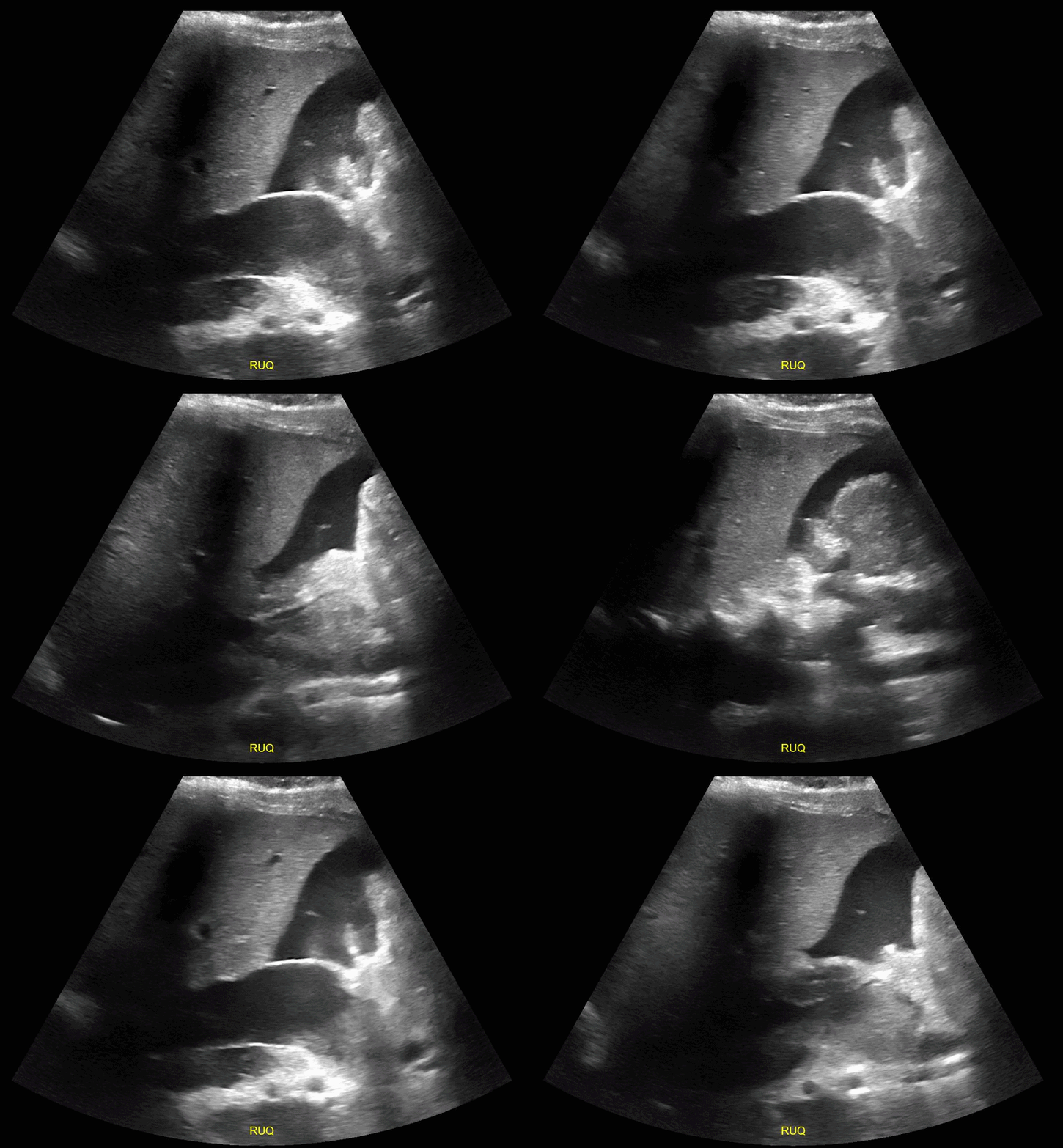
Clip 1: Free fluid in the hepatorenal space.
POCUS Hepatorenal space shows free fluid (Clip 1 above), and pelvic views reveal no IUP (Clip 2 below), and an adnexal structure suspicious for ectopic gestation (Clip 3). She’s resuscitated with blood products and is emergently taken to the OR by both EM and OBGYN where she's found to have 4.0 liters of massive hemoperitoneum from a ruptured ectopic.
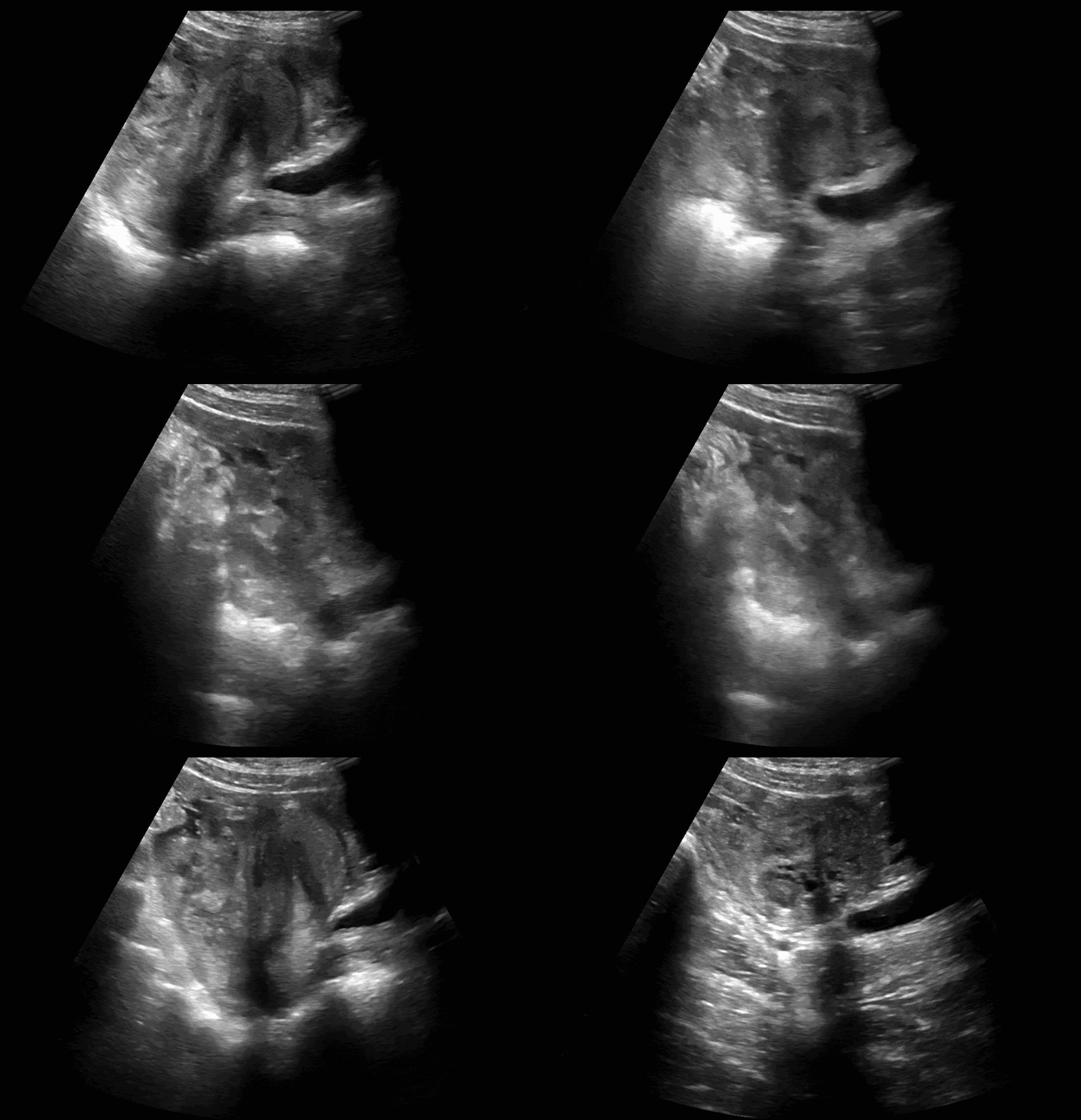
Clip 2: No IUP seen on pelvic transabdominal POCUS
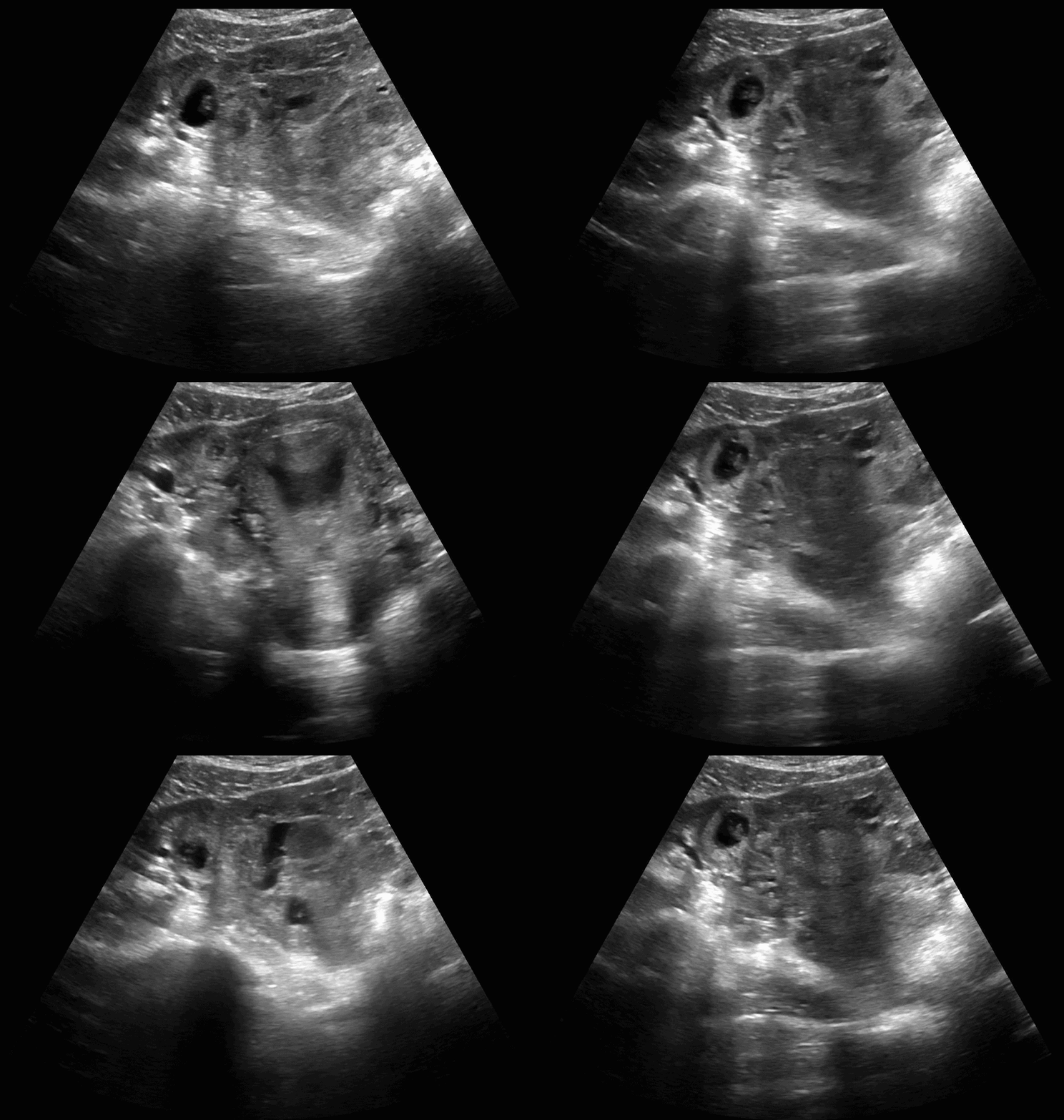
Clip 3: ectopic gestation
The Evidence: Free fluid predicts the need for operative management in ectopic pregnancy (Moore et al, 2008). Vital signs don’t correlate with hemoperitoneum. So while this patient is in shock, many are not. Notice the normal HR; (Hick et al, 2001). The most sensitive place to look for hemoperitoneum is the caudal edge of the liver (Lobo et al, 2017). Call this approach whatever you like. The SHARP Exam is just one way to synthesize the approach. Doesn’t matter what you call it as long as it gets done.
-Life saved
Excellent work!